Grout-Free Showers Explained: Why Seamless Stone Beats Tile for Long-Term Maintenance
See how grout-free solid-surface shower panels reduce scrubbing and resealing, how they compare with tile, and what design flexibility you trade for seamless stone.
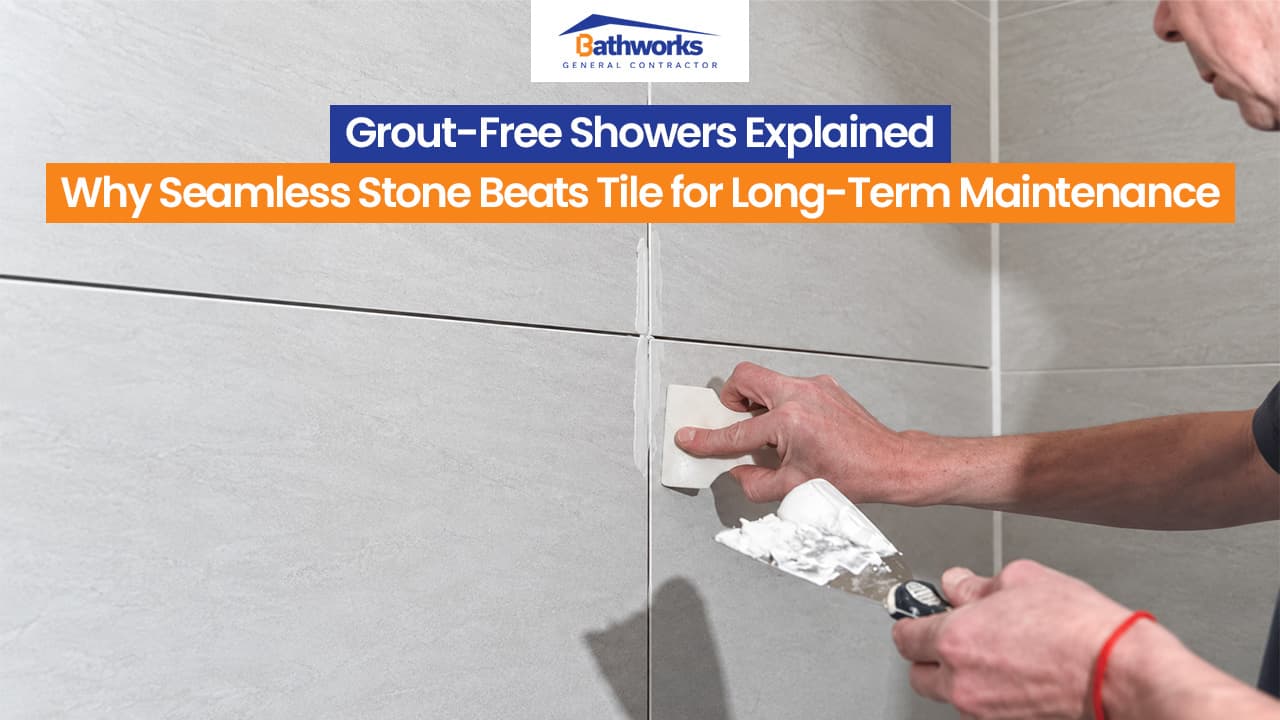
Quick answer: A grout-free shower uses large, solid-surface panels (like Onyx cultured stone) instead of individual tiles, eliminating the grout lines where mold, mildew, and hard-water staining usually take hold. The main tradeoff is design flexibility: tile allows for intricate patterns and mosaics, while seamless panels focus on clean lines and stone-like veining rather than tile-style detail work.
Why grout is the actual problem, not the tile
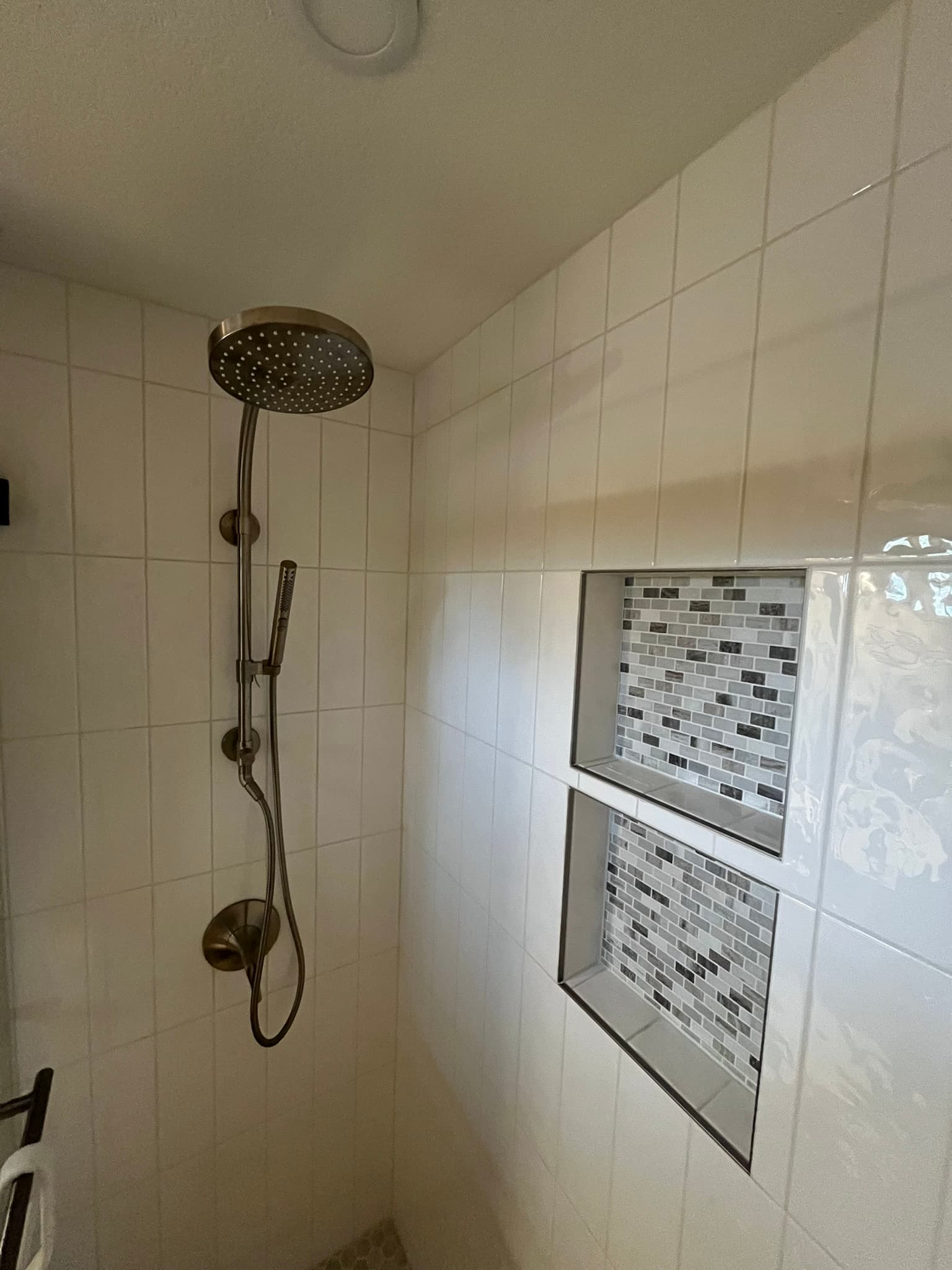
Tile itself is a genuinely durable surface. The maintenance headache almost always comes from the grout between the tiles. Grout is porous by design, which means it:
- Absorbs moisture every time the shower is used
- Traps soap scum and body oils in its texture
- Discolors and stains over time, especially with hard water
- Eventually cracks or wears thin enough that water gets behind the tile
- Requires resealing on a regular schedule (most manufacturers recommend annually) to keep functioning as a water barrier at all
None of that is a manufacturing defect, it's just what grout is. A grout-free shower removes the material entirely rather than trying to maintain it perfectly forever.
How seamless stone panels actually work
Solid-surface materials like Onyx cultured stone are manufactured as large panels, cut to fit your specific shower dimensions, rather than assembled from dozens of small tiles. Because the panels are large, most walls only have seams at the corners, where two panels meet, instead of a full grid of grout lines across every surface. Those corner seams are sealed during installation and don't require the ongoing maintenance grout does.
The material itself is also non-porous all the way through, so even the surface of the panel resists absorbing moisture and staining the way porous grout and some natural stone tiles do.
Daily and weekly cleaning: side by side
| Maintenance | Seamless stone | Tile with grout |
|---|---|---|
| Daily routine | Quick wipe or squeegee | Same, plus grout lines catch residue |
| Weekly routine | Light wipe-down | Scrubbing grout lines with a brush |
| Annual maintenance | None required | Resealing grout |
| Mold risk | Low, no porous surface to harbor it | Higher, especially in corners and seams |
| Longevity of finish | Doesn't fade or stain with normal use | Grout discolors over years regardless of cleaning |
What you give up with grout-free (and what you don't)
The honest tradeoff is design range. Tile can be laid in intricate patterns, mosaics, contrasting accent rows, or mixed materials in a way solid panels aren't built for. If a highly custom, patterned look is the main goal, tile still has an edge there.
That said, seamless stone isn't a plain or generic look by default. Materials like Onyx come in a range of colors and natural stone veining, and can still incorporate a contrasting accent niche, bench, or trim detail. Most homeowners find they're not actually choosing between "custom" and "plain," they're choosing between two different styles of custom.
Who still might prefer tile
- Homeowners with a very specific pattern or mosaic design in mind
- Projects working with a tighter material budget, since tile is often a lower entry cost
- Mixed-material designs pairing tile with other elements like a freestanding tub surround
Curious what a grout-free shower would look like in your bathroom? Book a free consultation and see real Onyx samples in person.
Frequently asked questions
Is a grout-free shower really 100% seamless with no lines at all?
Most walls are single panels with no interior seams. Corners where two panel walls meet, and where panels meet the shower pan, do have a seam, but it's sealed and far less exposed than a full grid of grout lines.
Can a grout-free shower still have a decorative accent, like a niche or bench?
Yes. Built-in niches, benches, and trim details are commonly incorporated into solid-surface shower designs without reintroducing grout lines.
How do you clean a grout-free shower?
A quick squeegee after each use and an occasional wipe-down with a non-abrasive, pH-balanced cleaner is typically all that's needed, there's no grout to scrub or reseal.
Does grout-free cost more upfront than a tile shower?
Solid-surface materials generally carry a higher upfront cost than basic tile, but they also remove ongoing maintenance and resealing costs over the life of the shower, which narrows the total cost gap over time.