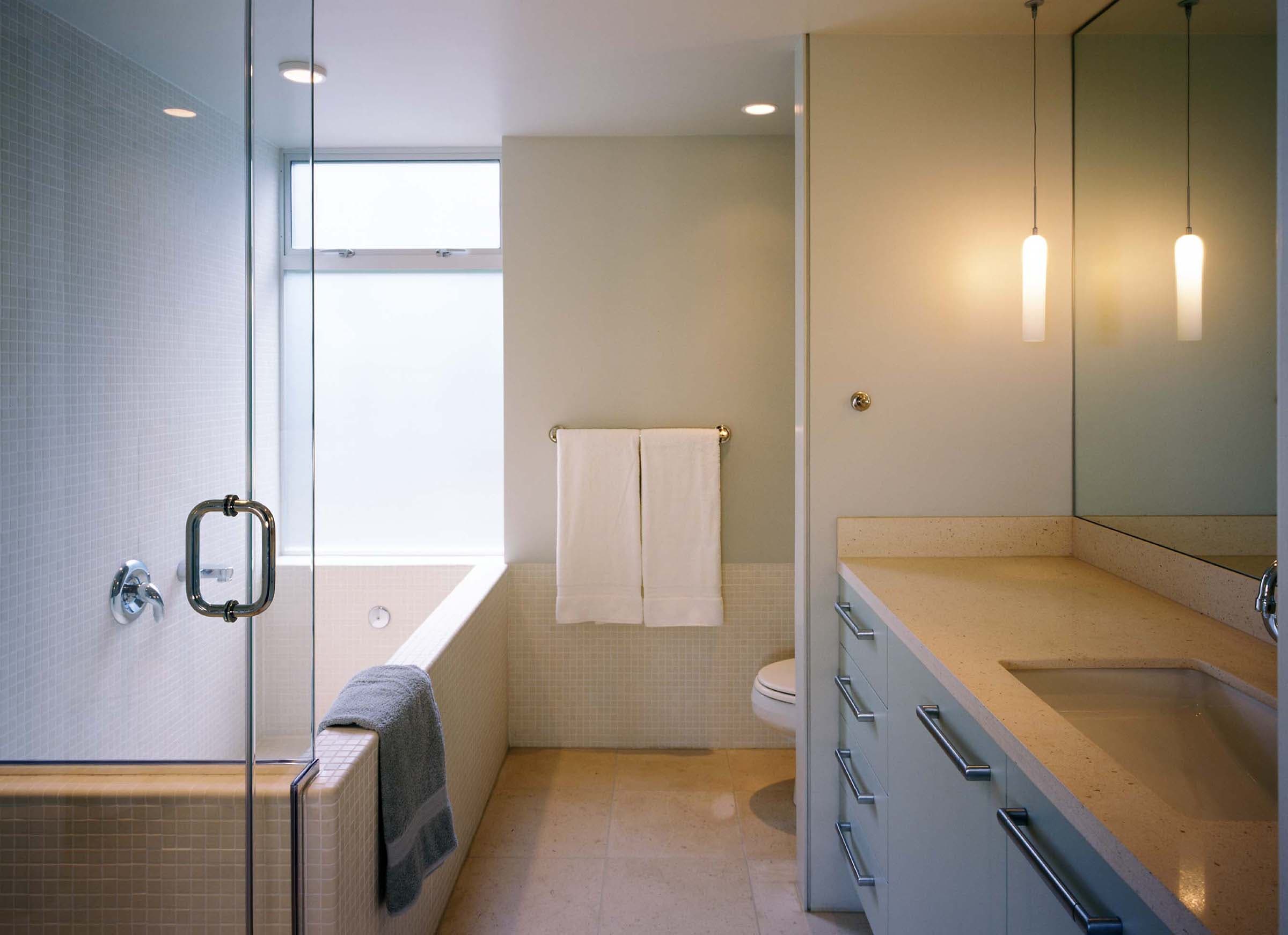
Onyx Cultured Stone vs. Tile vs. Acrylic: What Actually Holds Up to Boise's Hard Water
Of the three common shower materials, solid-surface cultured stone like Onyx stands up best to Boise's hard water. Tile is durable but grout needs upkeep, while acrylic is affordable but scratches more easily.
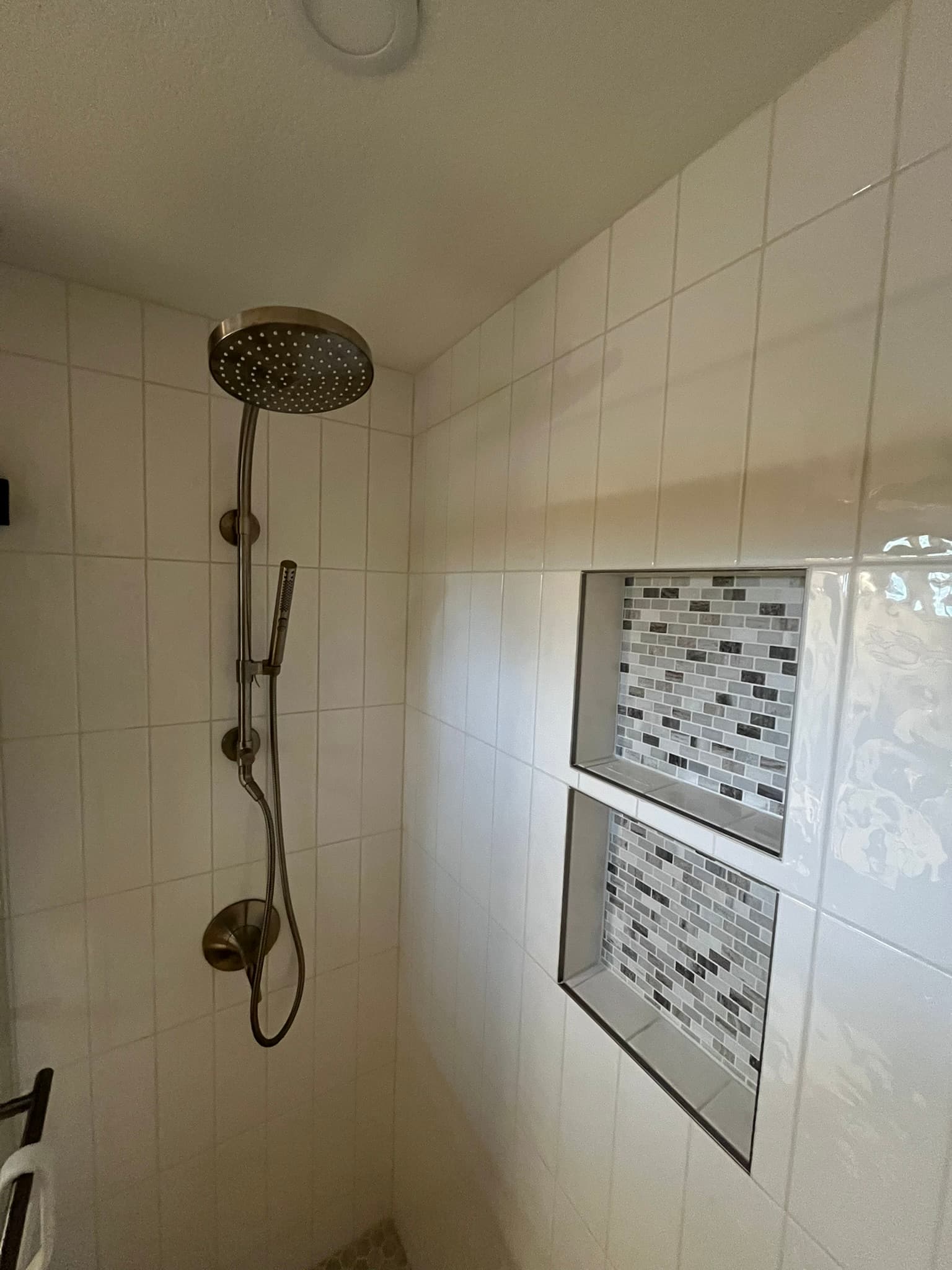
Quick answer: Of the three most common shower materials, solid-surface cultured stone (like Onyx) holds up best to Boise's hard water because it has no grout lines to erode or stain and no porous surface for mineral scale to grip. Tile is durable but its grout is the weak point. Acrylic is the most affordable option but scratches more easily, which gives hard water deposits and cleaning chemicals more surface area to damage over time.
Why hard water matters more in Boise than most cities
Water reports and local water-treatment providers across the Treasure Valley consistently classify Boise-area tap water as hard to very hard, with readings commonly cited in the 7–15+ grains-per-gallon range depending on your specific neighborhood and whether you're on a well or city water. In practical terms, that means every shower surface in a Boise home is fighting a slow, constant battle against calcium and magnesium deposits, whether you notice it or not.
That mineral load doesn't just leave white spots. Over years, it:
- Erodes and discolors grout lines
- Etches and clouds glass shower doors
- Leaves crusty buildup on fixtures and showerheads
- Reduces water pressure as scale narrows fixture openings
- Makes soap scum dramatically harder to remove
The shower material you choose determines how much of that damage actually shows, and how much upkeep it takes to keep ahead of it.
Side-by-side comparison
| Feature | Onyx Cultured Stone | Tile | Acrylic |
|---|---|---|---|
| Grout lines | None | Many | None |
| Hard water scale resistance | High — non-porous surface | Moderate — grout stains and pits over time | Moderate — scale sits on surface, scratches trap it |
| Resealing required | Never | Yes, typically 1–2x per year | No, but panels degrade over time |
| Typical lifespan | Lifetime (backed by warranty) | 15–20 years before grout needs major work | 10–15 years before cracking/yellowing |
| Weight/solidity | Heavy, solid through-material | Rigid but seams can shift | Light, thin shell |
| Cleaning routine | Wipe/squeegee | Scrub grout regularly | Wipe, avoid abrasive cleaners |
| Upfront cost | Higher | Mid-range | Lowest |
Solid-surface stone: why it resists hard water best
Real cultured stone like Onyx is crushed natural stone bonded with resin all the way through the material, not a thin surface layer. Because it's non-porous and installed in large panels with minimal seams, there's nowhere for mineral deposits to embed the way they do in grout. What lands on the surface generally wipes off the surface. It's also the reason it never needs resealing and can carry a lifetime warranty; there's no porous layer to break down.
Tile: durable, but grout is the honest weak point
Tile itself, whether ceramic, porcelain, or natural stone tile, can be a great long-term surface. The problem in a hard-water market like Boise is almost never the tile, it's the grout. Grout is porous by nature, so it absorbs minerals, soap residue, and moisture. Over a few years in hard water, grout lines discolor, and eventually the seal breaks down enough that water gets behind the tile. Sealing grout on a schedule (most manufacturers recommend annually) is non-negotiable if you go this route in the Treasure Valley.
Acrylic: affordable, but hard water shortens its life
Acrylic and fiberglass shower surrounds are the least expensive option and can look fine on day one. The tradeoff is durability. Acrylic scratches more easily than stone or tile, and every scratch becomes a new place for hard water minerals and soap scum to lodge, which is part of why acrylic surfaces tend to look dingy years before they actually fail structurally. Acrylic also flexes slightly with heat and weight, which over time can crack or separate at the seams, letting water behind the surround, right where you can't see it.
Protecting whatever material you choose
Regardless of what's currently in your shower, a few habits meaningfully slow hard-water damage:
- Squeegee glass and walls after every shower
- Use a non-abrasive, pH-balanced cleaner (avoid bleach and harsh acids on stone)
- Address a failing showerhead early, mineral clogging is often the first visible sign of hard water buildup
- Consider a whole-home water softener if you're seeing scale on fixtures throughout the house, not just the shower
Want to see and feel the difference in person? Book a free in-home consultation and we'll bring real Onyx samples to your home, no obligation.
Frequently asked questions
Does Onyx cultured stone ever need sealing?
No. Because it's solid, non-porous material all the way through, there's no sealant layer to maintain or reapply, unlike grout or natural stone tile.
Will hard water stain Onyx or cultured stone?
It's highly resistant to staining and etching compared to tile grout or acrylic, though like any shower surface, regular wiping keeps mineral film from building up on the surface over time.
Should I install a water softener along with a new shower?
If you're seeing scale buildup on fixtures throughout your home, not just in the bathroom, a whole-home softener addresses the root cause. It's a separate system from your shower material, but the two work well together.
Is tile still a reasonable choice for a Boise bathroom?
Yes, if you're prepared to reseal grout on a regular schedule. Many homeowners choose solid-surface stone specifically to remove that maintenance step altogether.