Walk-In Shower vs. Walk-In Tub: Which Is Right for Aging in Place?
Walk-in showers and walk-in tubs both improve bathroom safety, but they solve different problems. Here's how to choose the right one for your home.
Quick answer: A walk-in shower is often the practical choice if stepping over a tub wall is the main challenge and you want an open, easy-to-enter bathing area. A walk-in tub may suit someone who prefers seated bathing and can safely manage its door and entry. Neither option is right for everyone; mobility, transfer ability, space, and daily routines matter more than the label.
Planning to age in place means making the bathroom easier to use now and adaptable for changing needs later. The best choice starts with how the person using it moves through bathing, not with the fixture itself.
Start with the hardest part of bathing
Notice where help is needed today. Is it stepping over a high tub wall, standing for the whole shower, lowering into a bath, or getting back up afterward? Consider balance, strength, range of motion, use of a walker or wheelchair, and whether a caregiver needs room to assist. If possible, discuss these details with an occupational therapist or another qualified aging-in-place professional.
When a walk-in shower may be a better fit
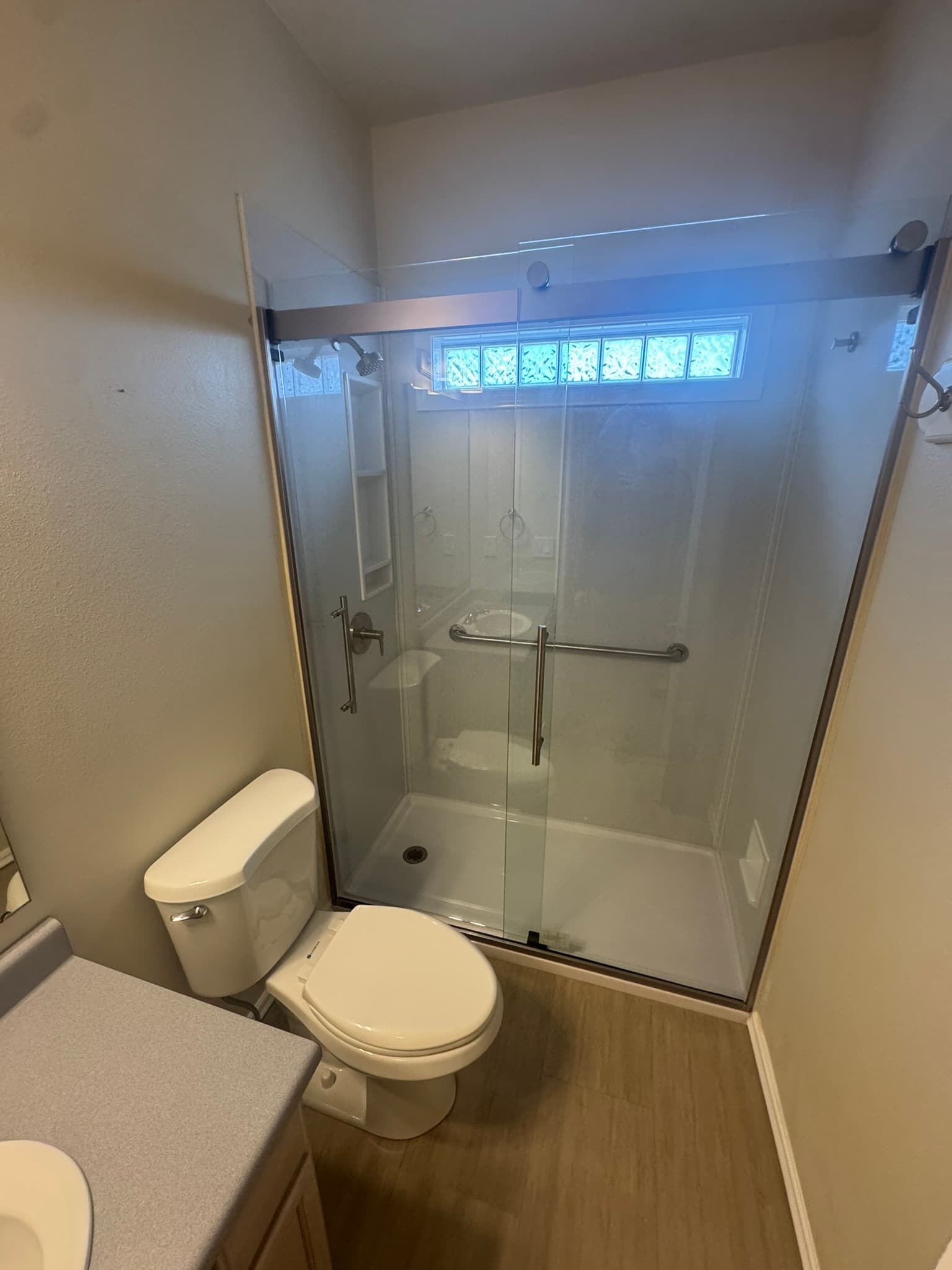
A well-planned walk-in shower can reduce the need to step over a standard bathtub wall and make daily bathing more straightforward. It may be a good fit when the main goal is easier entry and the person prefers showering to soaking.
- Low- or zero-threshold entry. A smaller step or flush entry can make access easier, though the right design depends on the existing floor, drainage, and bathroom layout.
- A built-in seat. Sitting while showering can reduce time spent standing. The seat should be positioned for comfortable, stable transfers.
- Properly placed grab bars. Bars anchored to suitable structure can provide support at entry and while bathing. Placement should match the user's reach and movement; towel bars are not substitutes.
- Room to move. An open layout can make it easier to enter, turn, and assist someone, especially when the enclosure and controls are planned around the user's mobility.
A shower still requires careful planning. A threshold, slippery floor, poorly placed controls, or door that limits access can undermine the benefits. Water containment, drainage, and enough maneuvering space are important parts of the design.
When a walk-in tub may be a better fit
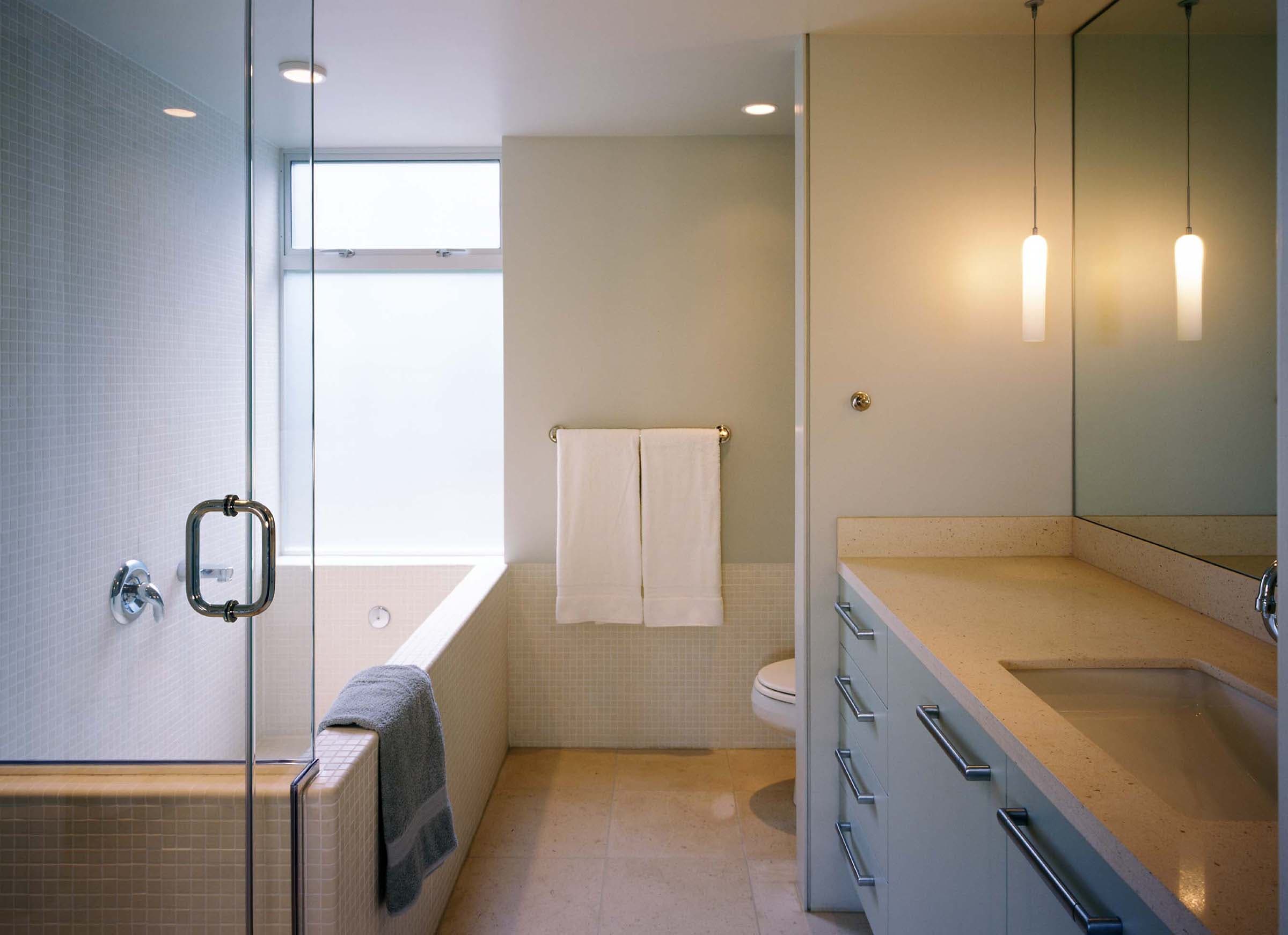
A walk-in tub lets the user bathe while seated and may appeal to someone who prefers soaking or finds standing to shower difficult. Its door creates a lower entry than a conventional bathtub, but it still requires the user to step over a threshold, sit down, and stand up again, with support as needed.
The bathing routine is different from a standard tub: the user typically enters and closes the door before filling the tub, then waits for it to drain before opening the door to get out. Check that this wait, the seat height, the door operation, and the required transfers are comfortable and manageable. Also plan for the tub's footprint, water supply, and maintenance of the door seal.
Compare the everyday trade-offs
- Getting in and out: A low-entry shower avoids the high wall of a standard tub; a walk-in tub has a door but still requires stepping over its sill and transferring to its seat.
- Bathing position: A shower can include a seat, while a walk-in tub is designed for seated bathing and soaking.
- Time and routine: A shower is usually ready to use without waiting for a tub to fill or drain. With a walk-in tub, the user remains inside while it fills and empties.
- Space and assistance: Both options need a layout that supports safe transfers and, where relevant, caregiver access. Measure the whole bathroom and consider door swings and clearances.
- Personal preference: The option someone will use comfortably and consistently is more valuable than features that do not fit their routine.
Safety features to plan for either way
A new shower or tub is only one part of a safer bathroom. Consider stable grab bars installed for the individual, slip-resistant flooring, reachable controls, good lighting, and a clear path into and out of the bathing area. Have a qualified professional assess the layout and install supports correctly. These changes can help with access, but no fixture or feature can eliminate every fall risk.
How to make the decision
- Write down the specific movements that are difficult now, such as stepping over a wall, standing, sitting, or rising.
- Try the relevant transfer and bathing positions with a qualified professional before choosing a fixture.
- Measure the room and check entry clearance, turning space, caregiver access, drainage, and any needed structural work.
- Compare the full daily routine, including setup, bathing time, cleaning, and maintenance, rather than just the initial entry.
- Plan grab bars, seating, controls, lighting, and flooring as part of the project—not as last-minute additions.
For many households, a low-threshold walk-in shower with a seat and correctly installed grab bars is a straightforward way to make bathing more accessible. For someone who strongly prefers soaking and can manage the door and transfers, a walk-in tub may be worth considering. The right answer is the one that safely fits the user's abilities, home, and routine.
Frequently asked questions
Is a walk-in shower or walk-in tub safer?
Neither is universally safer. A low-threshold shower may make entry easier for someone who has trouble stepping over a tub wall; a walk-in tub may better suit someone who prefers seated bathing. The user's balance, transfers, mobility, and bathroom layout determine which is appropriate.
Does a walk-in tub have a step to get into it?
Yes. Its doorway reduces the height compared with a standard tub wall, but the user still needs to step over the tub's sill, enter, and sit on the seat. Check that those movements are manageable before choosing one.
Can you sit down in a walk-in shower?
Yes. A shower can be designed with a built-in seat or another suitable seating option. Seat location and stability should be planned around the user's movement and support needs.
Should grab bars be included with a shower or tub?
Grab bars can provide useful support when they are selected and installed for the user's needs. They need to be securely anchored to appropriate structure and positioned where the user can reach them; towel bars are not designed to support body weight.
What should I consider if this is my home's only bathroom?
Consider everyone's needs, including whether the household relies on having a standard bathtub, as well as the bathing routine, space, installation work, and the user's ability to transfer. An in-home assessment can help weigh these factors before changing the layout.